Humanities & Society
Books in Humanities & Society
Humanities & Society
Civics, politics, history, philosophy, law, sociology — how humans organize themselves.
Books in this domain
-
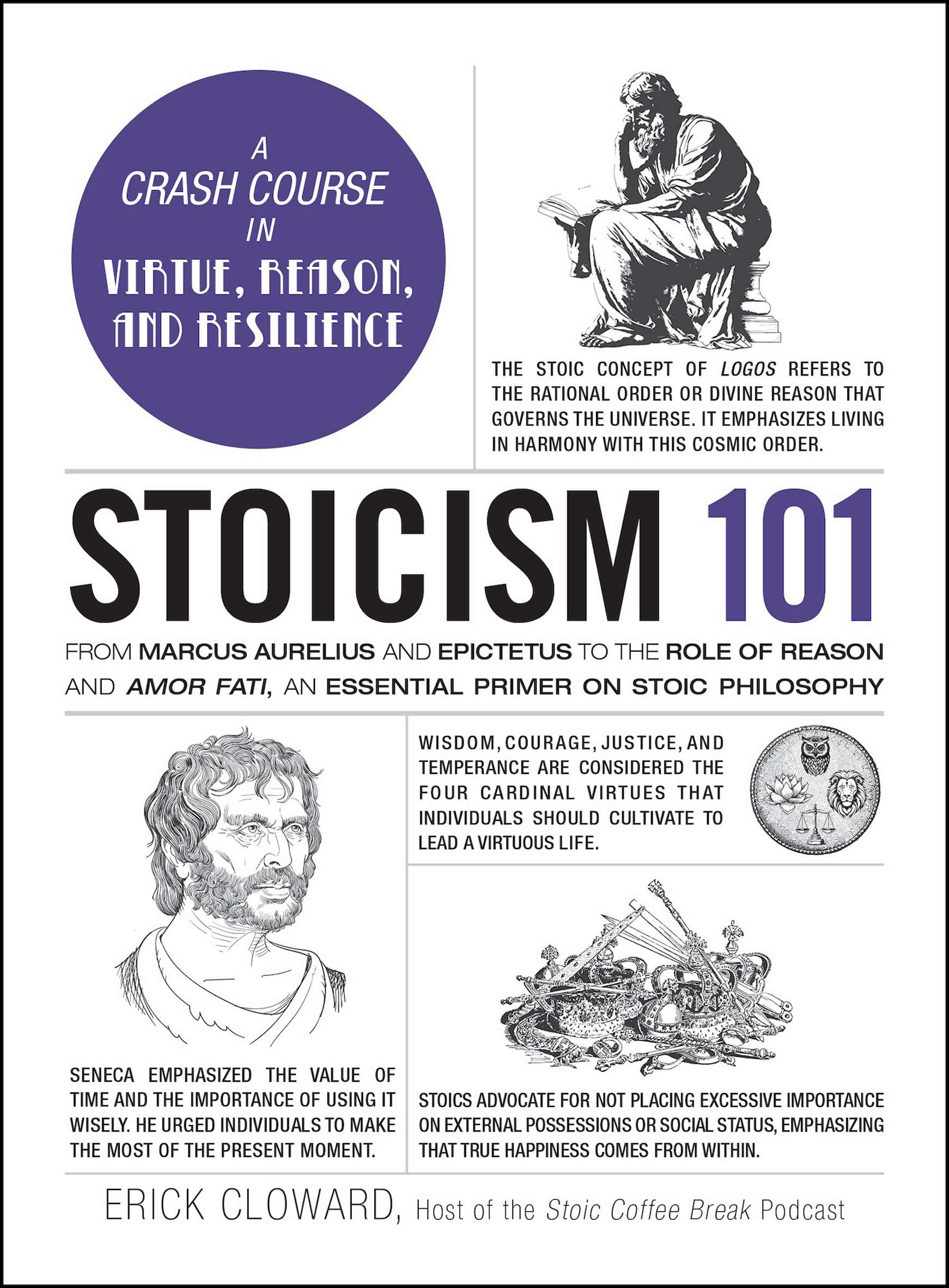
Stoicism 101 — Stoicism 101
A chapter-by-chapter synthesis of Erick Cloward’s Stoicism 101 — the history of the Stoic movement, its core doctrines, and how to apply them to emotion, relationships, adversity, and daily practice.
-
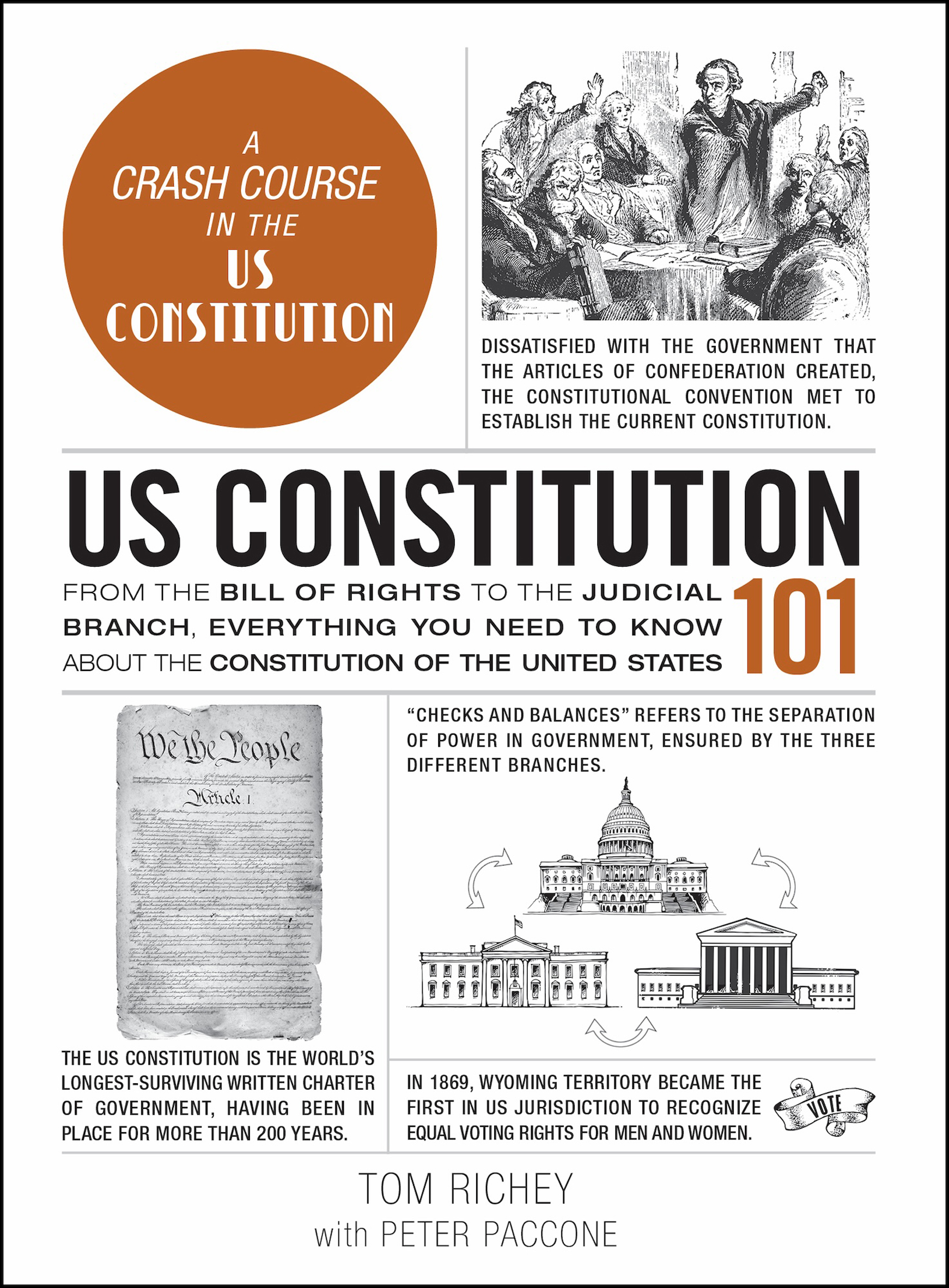
US Constitution 101 — US Constitution 101
A chapter-by-chapter synthesis of Richey & Paccone’s US Constitution 101 — how the Constitution was built, what each branch does, and how rights are protected.
-
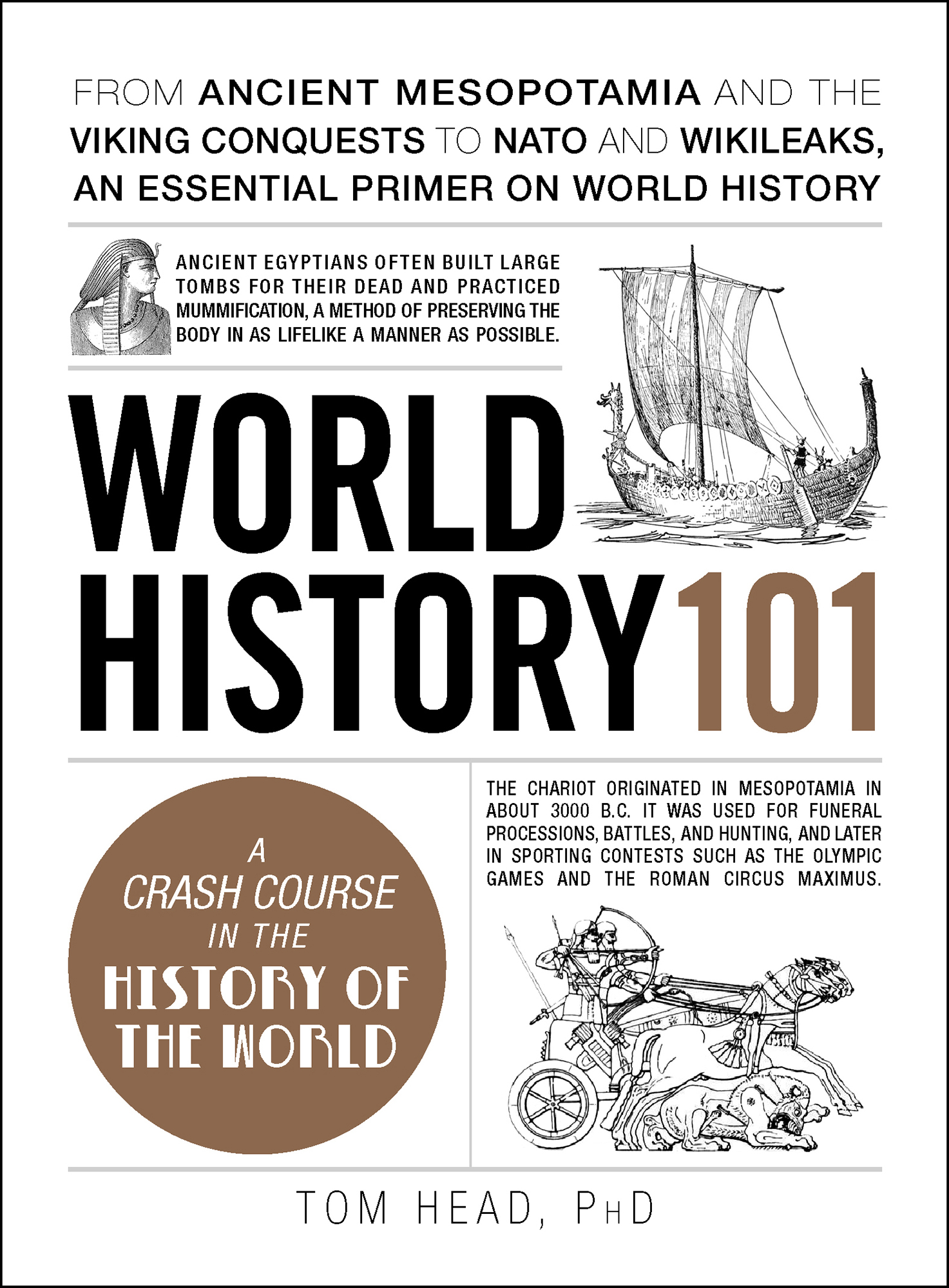
World History 101 — World History 101
A rapid-fire survey of human civilization from the first anatomically modern humans to the present — 64 chapters, each devoted to one civilization, empire, movement, or turning point.
Categories
Concepts
- Dichotomy of Control
- Due process
- Eudaimonia
- Federalism
- Judicial review
- Rule of Law
- Separation of powers
- Virtue Ethics
Recent chapters
-
Chapter 1: The Stoic Movement — Stoicism 101
How a shipwrecked merchant’s turn to philosophy in Athens grew into one of history’s most enduring frameworks for virtuous, resilient living.
-
Chapter 2: Zeno of Citium — Stoicism 101
How a shipwrecked Phoenician merchant accidentally became the founder of one of antiquity’s most influential philosophical schools.
-
Chapter 3: Seneca the Younger — Stoicism 101
A Roman statesman, playwright, and Stoic philosopher whose life of political peril and moral compromise makes his practical wisdom all the more credible.
-
Chapter 4: Seneca on Time Management — Stoicism 101
Seneca’s radical argument that time is your only truly irreplaceable resource — and that most people spend it as if it were infinite.
-
Chapter 5: Epictetus — Stoicism 101
Born enslaved and freed into philosophy, Epictetus distilled Stoicism into a blunt practical method: freedom is internal, won by mastering yourself, not your circumstances.
-
Chapter 6: Marcus Aurelius — Stoicism 101
The Roman emperor who treated Stoicism as a daily discipline of self-government, leaving behind a private journal that became one of the most influential ethical texts ever written.
-
Chapter 7: Marcus Aurelius’s Meditations — Stoicism 101
A private notebook written by an emperor on military campaign, the Meditations is a working manual of Stoic self-government — not a treatise but a tool for daily practice.
-
Chapter 8: The Dichotomy of Control — Stoicism 101
Stoicism’s most operationally useful idea: an absolute line between what is up to you and what is not, and a method for redirecting all your effort to the first side of that line.
-
Chapter 9: Applying the Dichotomy of Control in Everyday Life — Stoicism 101
How the Stoic dichotomy translates into specific moves across work, health, relationships, and mortality — and what changes when you put it into daily practice.
-
Chapter 10: Virtue — Stoicism 101
The Stoic claim that has scandalized philosophers for two thousand years: virtue is not merely a good — it is the only good. Wealth, health, fame, and pleasure are morally neutral.
-
Chapter 11: Wisdom — Stoicism 101
Stoic wisdom is the practical art of seeing the world clearly enough to act well in it — knowing what matters, what you control, and how to behave with grace.
-
Chapter 12: Courage — Stoicism 101
Stoic courage is not the absence of fear but the rational strength to act rightly — upholding moral principles even when they are uncomfortable, unpopular, or dangerous.
Top tags
- world-history (66)
- stoicism (61)
- ancient-civilizations (25)
- virtue-ethics (14)
- religion (10)
- resilience (9)
- emotional-resilience (8)
- constitution (7)
- medieval-europe (7)
- ancient-rome (6)
- emotional-regulation (6)
- rationality (6)
Jump to…
Type to filter; press Enter to open